As I write this, the sounds of spring waft into my living room carried on a cool, gentle breeze. Lilting motifs of cardinal love songs rise above staccato chirps. The wind picks up the pearly, fermented air off the surrounding river and strums a hundred branches with their newly sprouted leaves. A dark spruce in the treeline frames a patch of sky and unhooks everything from time, turning this synaesthetic tapestry into a coded message that can hold every question and every answer about the mystery of all creation.
And then?
Cue the leaf blowers.
Every day for the last 61 days, life has been underscored by the constant grinding cacophony of leaf blowers. There are worse things going on in the world. But it all feels so much worse when these two-stroke engines are revved up just a few feet from my zoom meeting through single pane glass, knocking out any other possible thought within a ten mile radius. The only thought my brain can hold is just how destructive mow and blow culture is. Multiplied by the millions of instances across the country at this moment, this practice of blasting away any evidence of natural processes is emblematic of the worst of our human instincts to dominate and define the boundaries of our property. I have been obsessively (admittedly, it has become an involuntary obsession) hoping for just one day without the thrumming sounds of the devil’s hairdryer.
This neighborhood has a lot of quaint legacy lawns from the 50s. Many of them are outlined with the ubiquitous euonymous, privet (so much privet!), crepe myrtles, tortured boxwoods, and enough nandina to kill a million cedar waxwings with cyanide poisoning (but that’s a blog post for another day).
Then there’s the random new construction with a lot of nondescript white and gray things, mulched beds outlining equally-spaced hostas, and newly laid strips of turf. Since we’ve been here, several houses have been hauled off to the landfill in their entirety. A truck pulls up one day and suddenly, black trash bags full of dishes are tossed out the windows. Within days, a new giant house appears with an instant fescue carpets ready to be mowed, blown, edged, sprayed, and blown some more every single week into perpetuity. It amazes me that lawn is still the default. You have a blank slate opportunity to install something sustainable, something that will maintain itself and provide ecosystem services and a carbon sink – but the default is just the opposite. The default is carbon-intensive, work intensive, high maintenance, non-native deadscape that not only does nothing in terms of providing habitat or food for wildlife, but it requires the perpetual belching of CO2 and gasoline into the environment with constant mowing and blowing. Then they bring in the mosquito sprayers because the deadscape doesn’t support mosquito predators. And forget about all the under-appreciated critters doing the very important work of decomposition in the ecosystem. Imagine what our landscape would look like without decomposers. How’d you like to have two feet of poop and dead racoons on your lawn forever? No? Not a good look?
The neighborhood abuts a titled community of larger lots along the water designed by Frederick Law Olmsted, Jr.—a case study of his wall-to-wall carpet of grass design, the height of upper crust luxury.
At the end of March a whole convoy of landscaping trucks descended upon our streets marching their way down the aisles of green, blasting every last unsuspecting seed, samara, and catkin into oblivion—or rather into the next yard, and the next, and so on.
The people doing the work look like they have been instructed to just go as fast as they can, or faster. I’ve seen them teetering with their flammable backpacks on rooftops for the more demanding customers who think this sort of thing matters.
I’ve seen them blast a path with the leaf blower, then a weed wacker growls along flinging cuttings, then the leaf blower comes through a second or third time down the same tortured spot. I’ve seen three industrial blowers at a time wind their way around a yard blowing leaves in multiple directions for over half an hour – the only people (probably the only life forms) to even step foot in that lawn for the past five years (except for the cicadas of Brood X. Imagine their surprise at surfacing to such a deadscape 17 years later.)
I’ve heard multiple leafblowers growling behind a fence for forty five minutes only to blast through the gate with a total of maybe fifteen leaves that have been blown along the whole length of the acre-wide lawn.
I’ve seen people blow the trunks of trees to shake loose a tiny tulip poplar seed stuck in a spider web and clinging for dear life. I’ve seen people blow mulch into the street only to blow it back into the yard again a minute later.
I’ve seen people blow wet, half composted leaves out of borders of pachysandra only to blow them into another area of the yard.
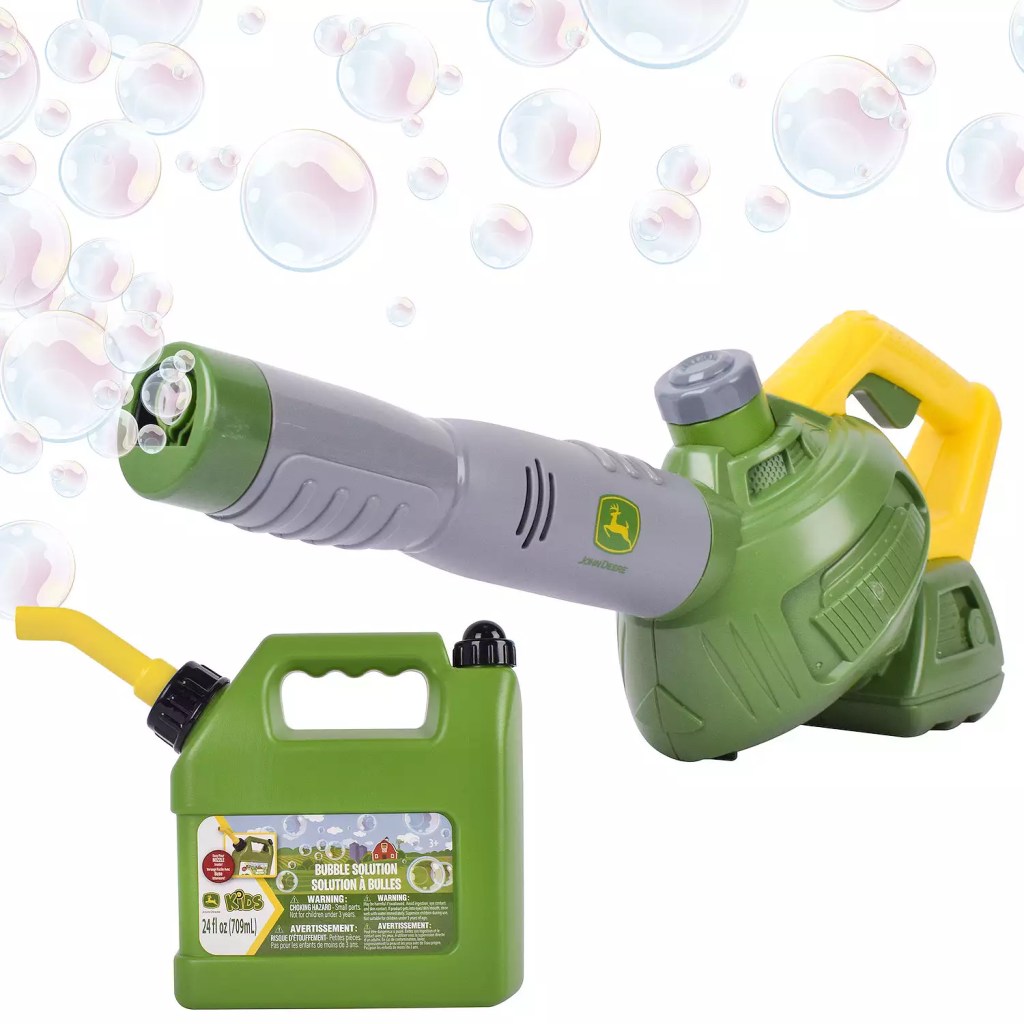
I’d love to have a conclusion to draw about all of this behavior, but all I can manage to say is that it is mind boggling. But, in the spirit of my own indignation, I can make the following hypotheses:
Performative Work
It is performative work. If it sounds like something is being serviced, the homeowner might feel like they are getting their money’s worth, and the landscapers are performing this act of “dirty work” to make it sound so terrible and violent and inscrutable that no self respecting homeowner with a day job would ever deign to perform it themselves.
Did You Know Leaf Blowers Are Also Hammers?
No, they are not. But I can’t help but employ this very nerdy saying: “When you have a hammer in your hand, everything looks like a nail.” Landscapers seem to be using leaf blowers for everything all of a sudden. Why? See above.
Pushing the Easy Button
Everyone in this scenario is pushing the easy button. The homeowner and the landscaper. People pick any company in the proverbial phonebook and tell them to clean up their yard because they don’t have the time, ability, or compunction to do it themselves. (Or the desire to install a lower maintenance native garden.) If given the choice, I believe most people would push the green button and even pay a little more for it, if the difference between the easy button and the green button was laid out in simple terms. It’s interesting that landscape companies complain that the burden is on them if they offer a more sustainable package because raking takes longer and they will lose customers if they can’t ‘scape a yard quickly. But in fact, the green package would actually include services that require less of their actual services. It’s more about conditioning the customer to be less picky about every little speck of leaf that sullies their green shag rug. It’s about normalizing the look of sustainability and de-moralizing synthetic and destructive deadscapes.
It could be as simple as this: For $10 extra per month, you can be a good steward of the earth and get the green package, which includes services that:
- Leave the leaves in the garden beds
- Leave a beneficial amount of garden material in green spaces to return nutrients to the soil
- No spraying broad leaf herbicide or pesticide (so no need for the embarrassing yellow poison flag!)
- Mulch the leaves into the lawn with a mulching mower
- No use of gas-powered blowers, using rakes and brooms when/if necessary
Rakes take too long and Cost twice as much!
What in the world did we do before leaf blowers came along? Did we all have to wade through neck-high piles of leaves? I can barely remember time before leaf blowers (BLB) but I’m pretty sure we were okay raking and leaving a few leaves to fall and turn to soil like nature intended.
The big question is: Is the negative impact worth the benefit?
People might behave differently if they only knew about the negative impacts (more on that to come, of course). And they might even make better decisions, if they were given incentives to actually push the green button, if there was one.
The Cultural Shift
There is a cultural shift happening. Someday soon people will collectively jeer at the sound of leaf blowers as the height of retrograde ham-fisted rudeness. And lawn deadscapes will assume the mantle of high narcissism, wasteful consumerism, and downright bad taste. I optimistically bet that in ten years leaf blowers and maybe even lawn culture will go the way of the cigarette, lead paint, and radium-painted clocks. Let us hope and pray. Tick tock.
 Heart of the Garden
Leave a comment