What was the last garden you visited? Public or private, big or small? Imagine yourself moving through that garden.
If you are reading this, you are probably a gardener, and you probably know a lot about gardening and plants. As you move through that garden, imagine that all your gardening knowledge, the entire plant ID database in your head, all your knowledge of seasons and sun and shade and acid and riparian erosion control and xeriscaping and everything you know related to plants was erased from your head. And now imagine looking at the now nameless plants, the shrubs devoid of personality, the trees unconnected to any other underground network. Time suddenly collapses into one dimension and you don’t see seasonal layers or potential growth habits. Leaf shapes mean nothing. Flowers are reduced to sculptures that exist for the singular purpose of looking pretty to humans. Bugs become threatening. Dirt becomes dirty. How unmoved would you be to look at the bare twigs and dried seed heads rattling in the wind, whistling with emptiness and deadlike dormancy? That is how many people see the garden that probably lit up your soul last time you visited. So how do you begin to spark that lunar landscape to life for all these people who don’t see what you see? What do you show them first?
I sadly and reluctantly recognize that there are many many people who will never be interested in plants or even nature because they have more important work to do or things to know. Or maybe they see the plant world as a luxury they can’t afford. And, conversely, there are probably hundreds of thousands of subjects that I know nothing about that would change my vision of the world if I had a proper introduction. Plants just happen to be my thing and learning about them for me isn’t work—IT’S BRAIN CANDY—and I wish everyone could get this happy about something so ubiquitous and (for the most part) accessible.
Beauty for Joy
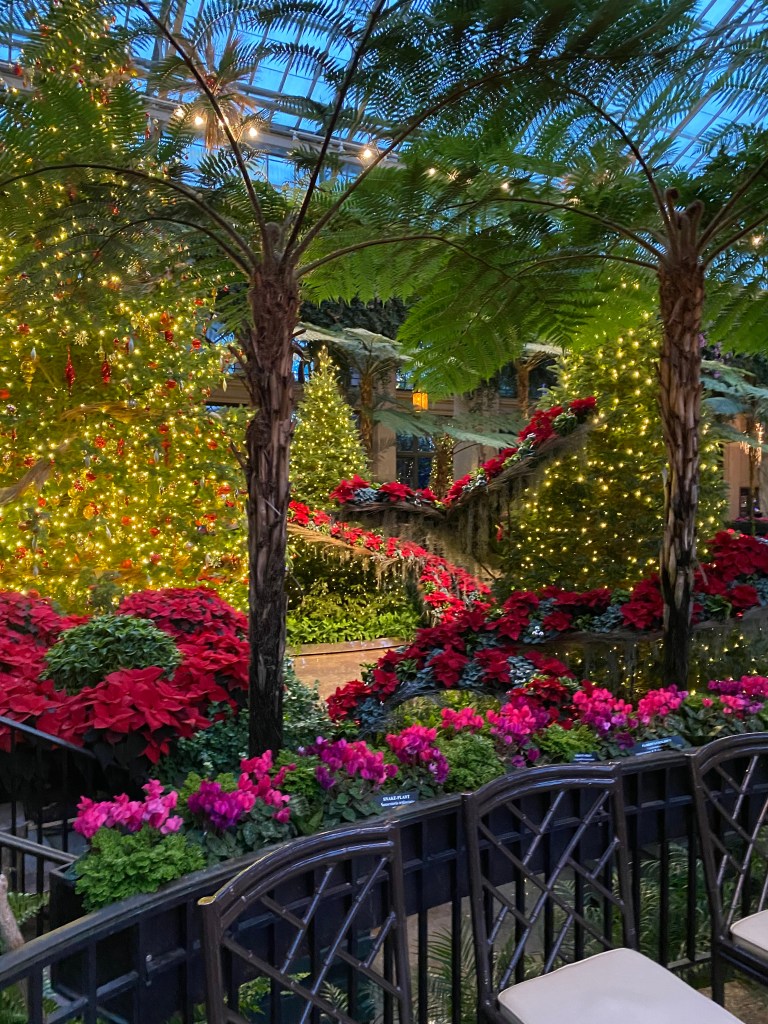
Writing about gardens and gardening, I often have to keep myself from leaning on old tropes about what people traditionally want from a garden. A garden as an escape, or as a place devoid of strings attached to the rest of the world, a place of pure, unoffensive beauty that is just petal deep, as they say.
Using the word “beauty” in writing about plants and gardens (and in general) sets off an unpleasant frisson for me. It implies a canon. Not the kind you shoot, but it sometimes feels like it. BOOM. Beauty is not an inclusive concept. The default way we talk about beauty feels suffocating, exclusive, and regressive.
Experience the beauty of the gardens. Beautiful blooms delight the senses. The beauty of the season has set the landscape ablaze with color. It’s almost like we are trying to anaesthetize people with this idea of visual perfection, and it just gives me a creepy eugenics vibe.
This use of the word beauty assumes that there’s a summative ideal that someone or some imperious cultural mechanism has decided on. And usually the things we collectively call beautiful are the product of extreme human control. And the beauty award is not doled out in the most equitable of ceremonies.
Certain garden design aesthetics might come in and out of fashion and that’s interesting, but plants are always the same plants. And what makes plants themselves “beautiful” is and should be complicated. And the more you complicate the idea of beauty, the more rewarding it can be to understand why this organism—pan out to the landscape—pan out to the ecosystem—is a “network of mutualism” that is beautiful if you know what you’re looking at. It’s not just form and color, but a bundled expression of equity, balance, connection, and trust that pleases your brain in the most human way.
My Garden recently had a shift in our mission and I am more than happy to have been instructed to supplant the central concept of beauty with that of joy. Joy, the outcome, not the means. It is inclusive and modular. And I can definitely run with “joy.” There were weeks of discussion and research behind the arrival at this small three letter word and I am totally here for it.
It was a very political decision to make this institutional shift. And I think it reflects a shift in the garden world’s meta reading of the word cloud around plants, gardens, and nature precipitating around in the media. It may be evidence that people are listening to the dialogue, the representation of other voices that deserve proactive inclusion and are in a way inevitably redefining the garden space that has been pretty much the territory of the privileged few for some time.
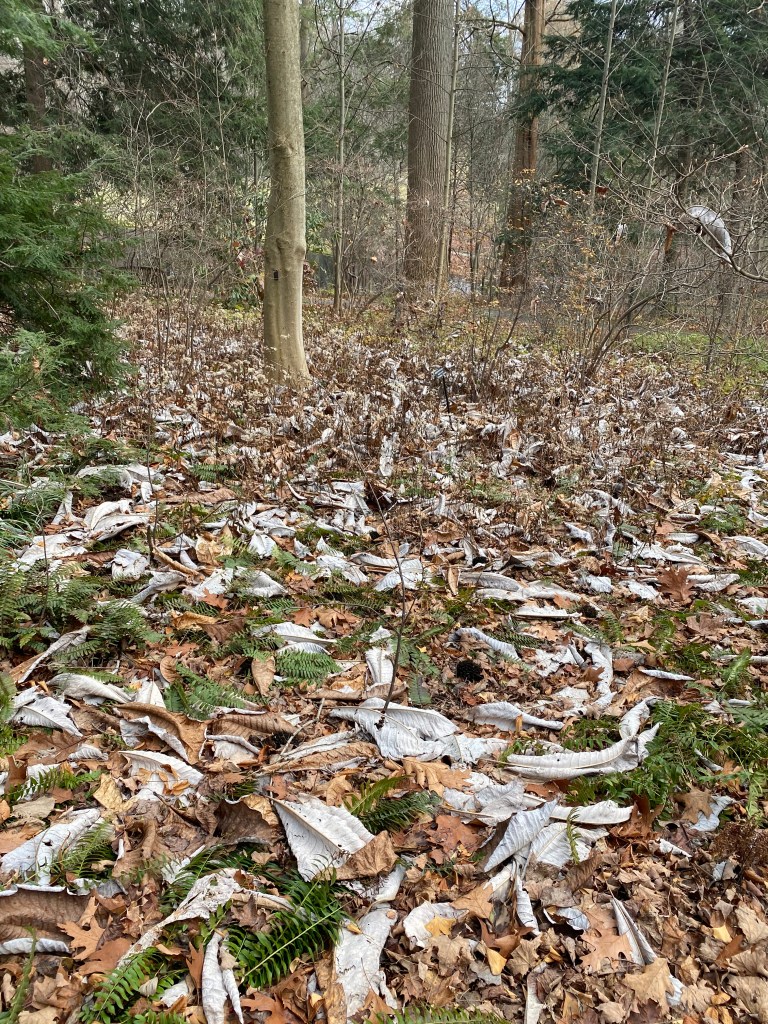
A garden references history, science, and a multiplicity of disciplines. This is what’s so fertile about the study of plants from a cultural perspective, it references everything. Plants are at the fulcrum of culture. They deserve a more complex interpretive treatment than just their aesthetic contributions to a garden’s design.
When we only react to a plant’s color and texture and flower and leaf structure as just plain beautiful, it puts a value judgement on the organism (just like it does to people – blasts them with the canon). And we, as the keepers of plant culture, are saying that it’s okay to erase all the other work this plant does, and all the other cultural stories this plant refers to. Often when you visit a garden, it’s the blockbuster extreme expressions of cultivation that the general public seems to respond to most. All these superlatives – tallest, most variegated, most contorted, most blackest, most whatever. Since when did we start thinking like we have to provide a circus in order to get people to appreciate plants?
SO back to the question of how to hook people in to complicate their view of a garden. Where do you start to get someone to pull on that thread to find out more or to even know that this subject can belong to them in the first place? After writing about garden displays for three years on social media and seeing what gets the most likes and what ignites the most engagement, I think the best tactic is finding a relatable story about the plant. In my experience, people often associate memories and life events or people with plants. If you can involve them in the story and rope in their identity to show how their life and this plant’s life intersect, that is a real beginning. If you only show them a circus, they won’t see that connection. Unless they work for the circus? Or really like circuses? Circuses are great, but you wouldn’t want to live in one everyday.
And nature is and should be a part of our lives everyday.
 Heart of the Garden
Leave a comment