![IMG_3954[2293]](https://heartofthegarden.com/wp-content/uploads/2019/10/img_39542293.jpg?w=4032&h=3024) Often, when I am gardening in my front yard, I get a few comments from passersby and mail carriers about how much manual labor I have to do to keep my garden from exploding into a lethal liability. I get comments like, “You know, you could just mow it all down.” or “That’s a big job there. You need a whole staff!” I’ve gotten only a few comments on how pretty it is when the Spring bulbs are bursting and everything is within acceptable proportions. Or during those three days when the lilies are being spectacular. Then poof. Late Summer brings on straggly hostas, the foxglove spires look like a burnt minarets. No one really gets it. And I’m sure they think I’m either crazy or lazy.
Often, when I am gardening in my front yard, I get a few comments from passersby and mail carriers about how much manual labor I have to do to keep my garden from exploding into a lethal liability. I get comments like, “You know, you could just mow it all down.” or “That’s a big job there. You need a whole staff!” I’ve gotten only a few comments on how pretty it is when the Spring bulbs are bursting and everything is within acceptable proportions. Or during those three days when the lilies are being spectacular. Then poof. Late Summer brings on straggly hostas, the foxglove spires look like a burnt minarets. No one really gets it. And I’m sure they think I’m either crazy or lazy.
Most of my mom friends are jogging or at the gym when I’m digging and shoving around a wheel barrow. I jam my speed gardening into every thin slice of time my schedule allows. And I often feel distracted and guilty that I’m not fully present, not picking up all the edges as I should.
I was buying up the clearance rack at a garden center that was closing, and the man who rang up my bill asked, “Really? You need more plants? Where are you putting all these?”
“They’re half off. I can’t pass this up,” I said.
“Yes you can. I can’t stand plants. I grew up on a farm. I don’t have time for that.”
It made me feel ridiculous. Like I was trying to take credit for indulging my boutiquey fetish when people who grew up on farms are laughing at my foolishness as I hand over my money. Of course, most of my plants are divided or from seed, but I still couldn’t help but wonder if I should be spending my time and money on more practical things like organizing my linen closet.
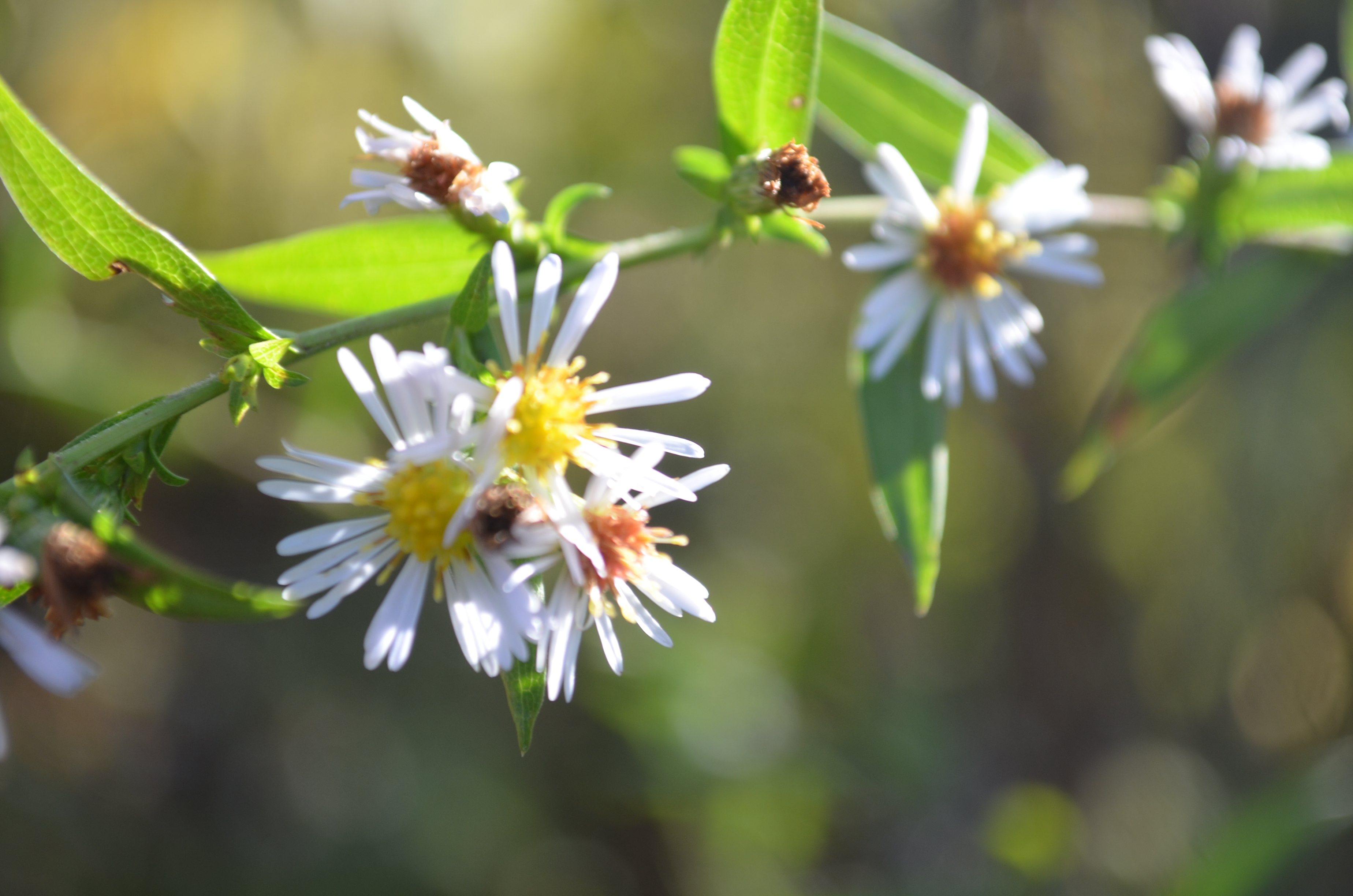
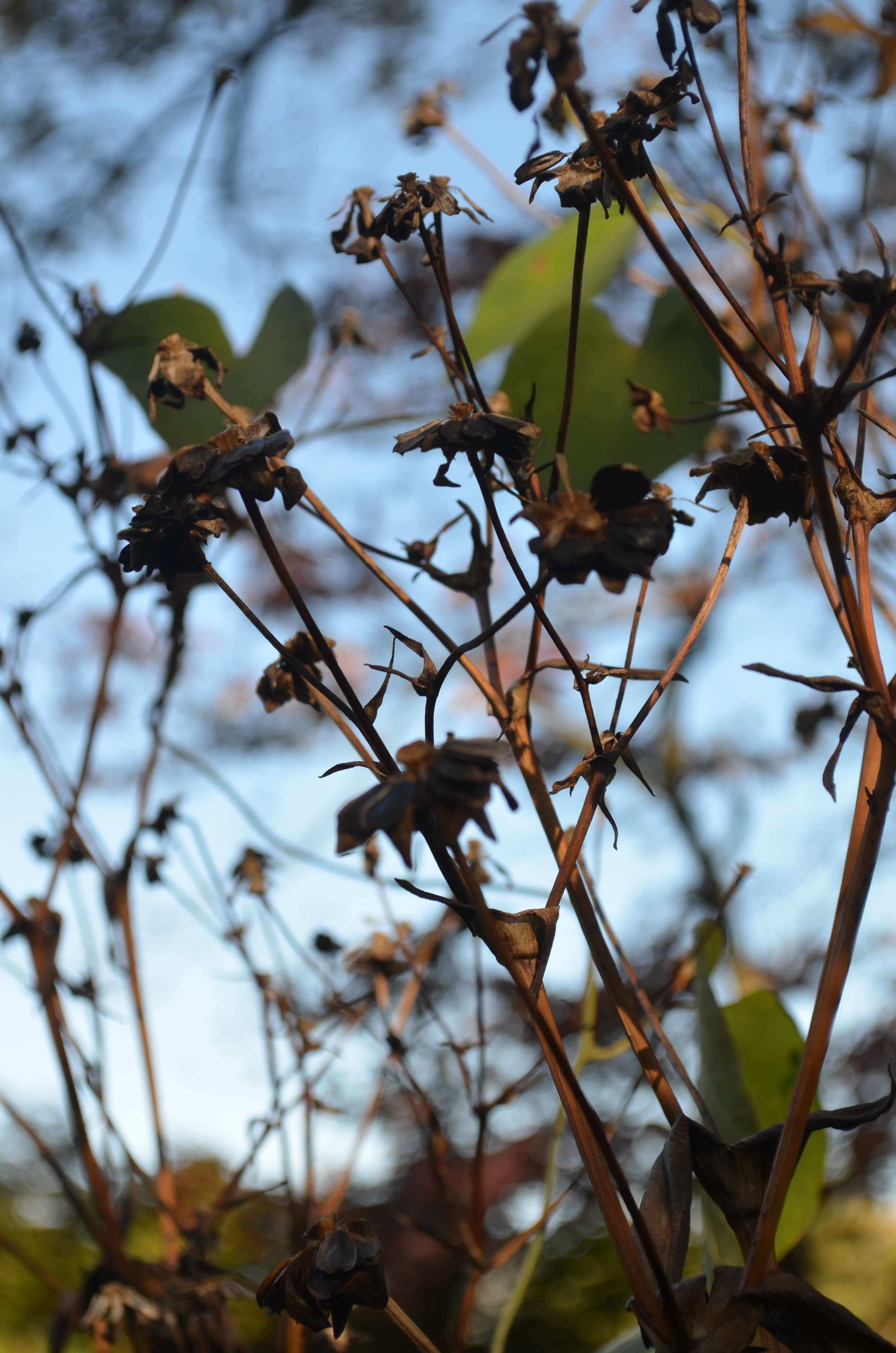
My Fall garden was out of control. There was a tall, shaggy plant that I couldn’t identify. It was either a goldenrod or an aster popping up behind some knockout roses. I felt the need to explain it to people. People who knew I was a serious gardener, and came to my side yard expecting Longwood Gardens, and were confronted with husks and stalks of unknown origin. I waited for two months until their tiny white petals studded up the stems and revealed that they were asters. They became a pollinator hotel. Every single stem was busy with wasps and bees of multiple species. It was better than fireworks. It was miraculous. And it was very worth the two months of apologies.
But still, I wondered if my small patch of pollinator garden was really doing any good? Isn’t agricultural wasteland the real problem? Am I just doing all this work to make this one spot healthy surrounded by a monoculture of grass and asphault?
Then I went to my Master Gardening class and the speaker reignited my resolve to keep advocating for my native pollinator garden. He explained that we have killed off almost 50% of the insect population worldwide since 1974. We have replaced our native plants with ornamentals mostly from Asia that do not have the benefit of having evolved for millennia along with native insects down to the native microbial life in the soil. So they’ve made a big hole in the ecological web that doesn’t connect the way it did before we started covering half the country with grass.
But there are place like Brandywine Conservancy and Brandywine Red Clay Alliance working to conserve our wild native meadows. And what a tiny pollinator garden like mine can do is serve as a landing spot on their way along the pollinator corridor.
According to Doug Tallamy of the University of Delaware, “Because nearly 85% of the U.S. is privately owned, our private properties are an opportunity for long-term conservation if we design them to meet the needs of the life around us.”
If everyone could plant just three native perennials and/or shrubs in their yard, it would make a difference. In a human-dominated landscape, you might see lots of colorful plants that make just one creature happy. For example, a crepe myrtle has lovely blooms all Summer and Fall, but it does not serve the native populations of bees or other insects. It might as well be a statue.
![IMG_3999[2298]](https://heartofthegarden.com/wp-content/uploads/2019/10/img_39992298.jpg?w=3024&h=4032)
If your garden is sequestering carbon, reducing water runoff, and providing food, water and shelter for wildlife and pollinators, then, you’re part of the solution.
If we consider the that we are not the only creatures living in our landscape, we might start to make different choices that eventually might restore our native populations and maybe even change our set of values that make us appreciate our plants. And there will be so much more than pretty flowers to make us happy in our gardens.
 Heart of the Garden
Leave a comment